Quality education · 5 min read
Peptide Blends: How to Read a Multi-Peptide COA
A blend vial holds two to four peptides. Here is what its Certificate of Analysis should show for each component, and the gaps that make a blend report meaningless.
Multi-peptide blends, such as a BPC-157 / TB-500 vial or a three- or four-compound blend, save weighing time in the lab. They also make quality control harder, because one purity number cannot describe several molecules. Here is what a useful blend COA contains.
One identity check per component
Mass spectrometry should show the expected ion for every peptide named on the label. If a four-component blend report shows a single mass, three of the four components are unverified.
Separated peaks on the chromatogram
On HPLC, each peptide elutes at its own retention time. A good report labels each peak and gives the area for each, so you can see that every component is present and how clean each one is. A single "99%" figure for a blend usually means the components were not resolved, or not measured individually.
The amount of each peptide
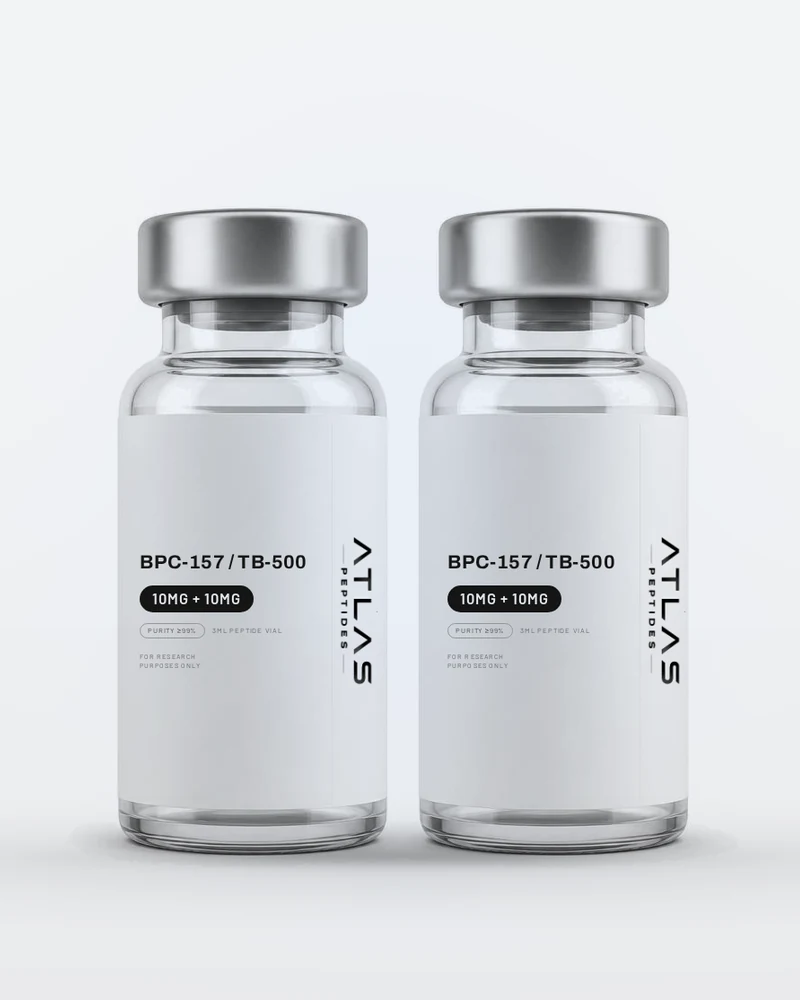
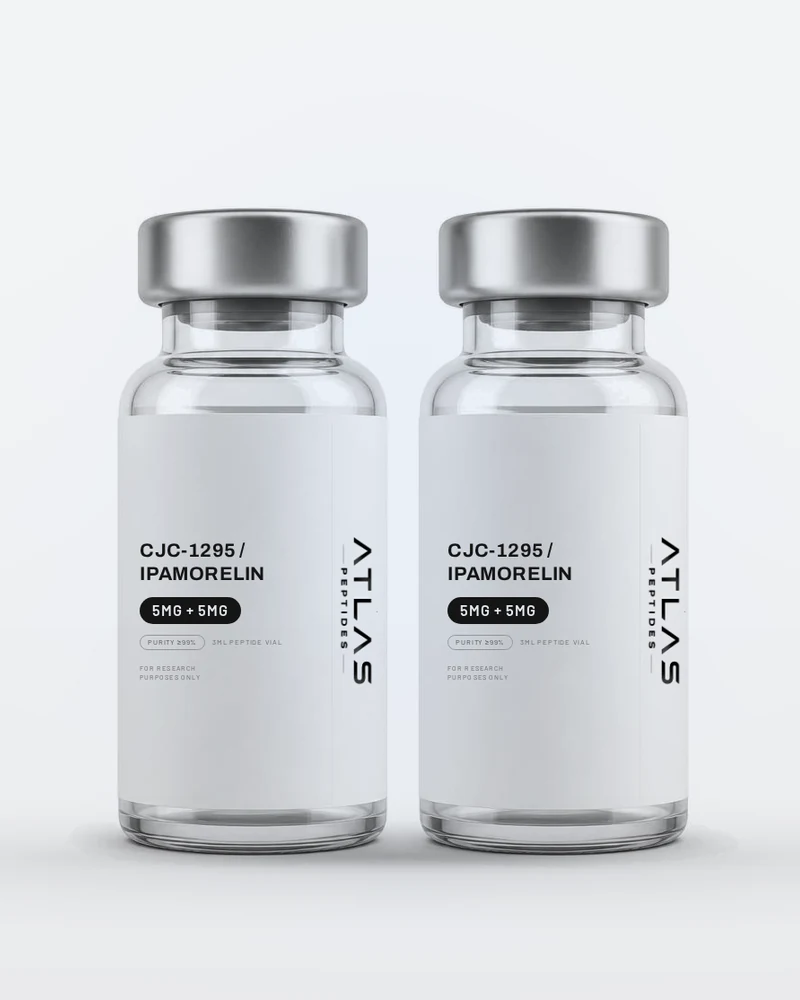
The label states a ratio, such as 10 mg + 10 mg. The report should give the measured amount or proportion of each component so that ratio can be checked. Small deviations are normal; a component that is missing or far off is not.
A lot number shared by vial and report
As with single compounds, the report must match the lot printed on the vial. Blends are made in smaller batches than single peptides, so a supplier reusing one blend report across months of sales is a common problem.
Blends at Atlas
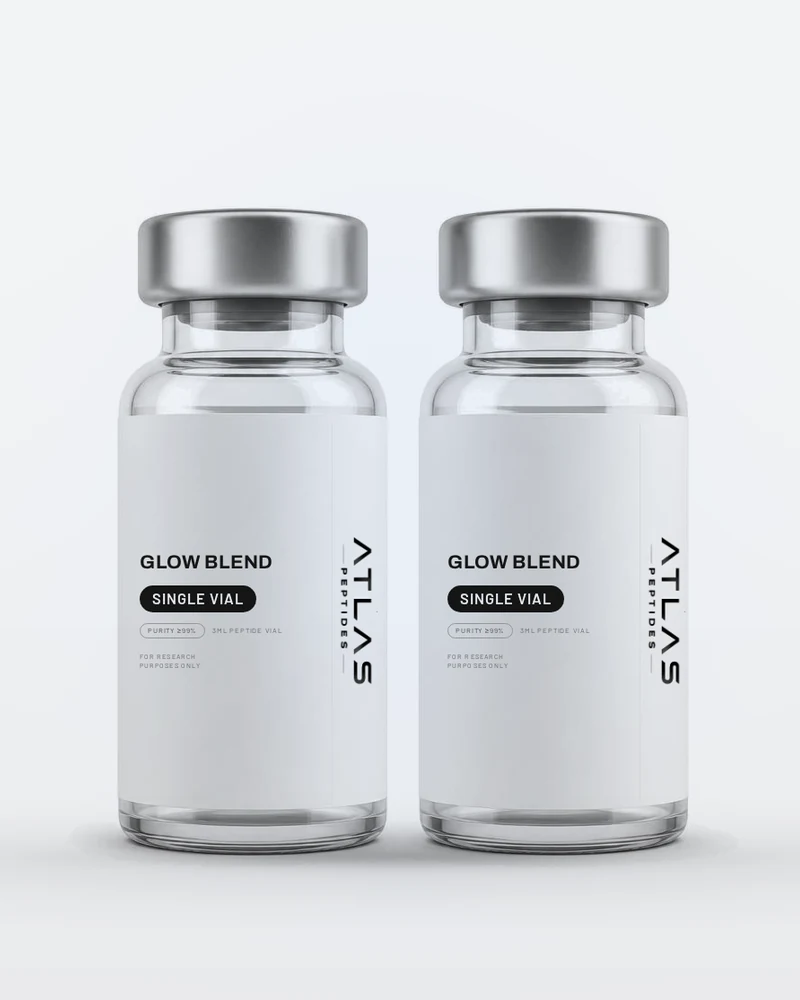
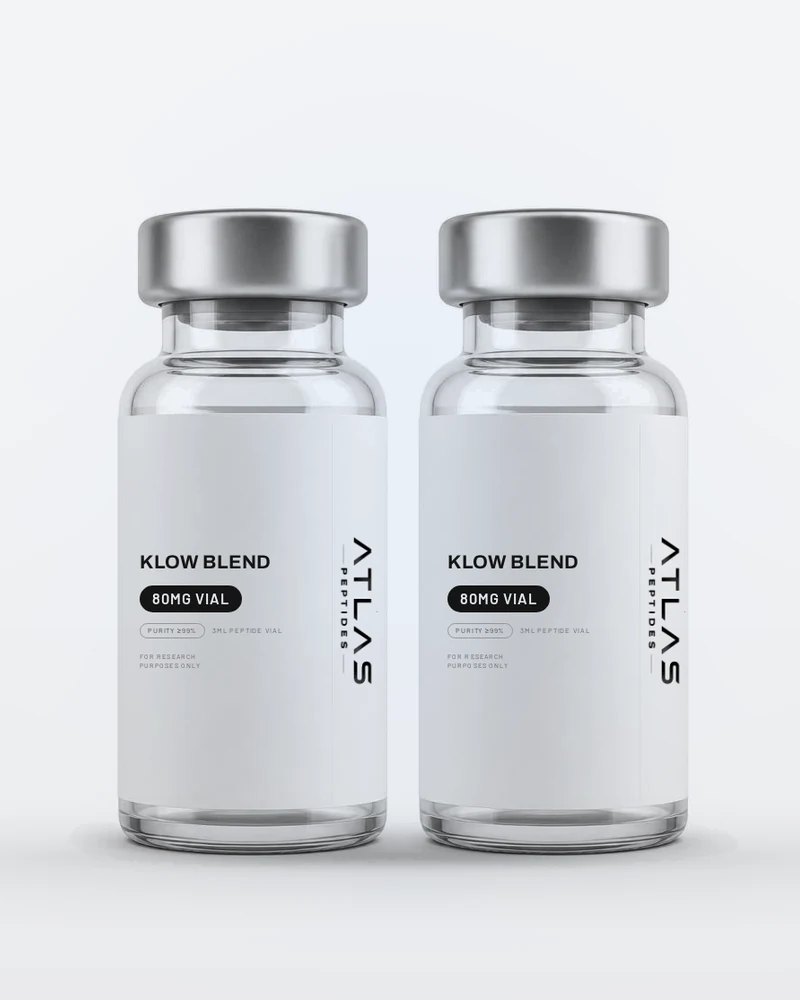
Atlas supplies the BPC-157 / TB-500 blend, the GHK-Cu / TB-500 / BPC-157 blend, the GHK-Cu / TB-500 / BPC-157 / KPV blend and CJC-1295 (no DAC) / Ipamorelin, each with its own lot COA in the COA library. For background on the single compounds, see BPC-157 vs TB-500 and what GHK-Cu is.
Compounds in this guide
Keep reading
- Where to Buy Research Peptides Online: A 7-Point Supplier Checklist
- BPC-157 vs TB-500: How the Two Research Peptides Differ
- What Is GHK-Cu? The Copper Peptide Explained for Researchers
Research use only. For Research Use Only. Not for human or veterinary use. Not for diagnostic or therapeutic use. Not a drug, food, cosmetic or dietary supplement. Not for resale to consumers.