Quality education · 5 min read
Net Peptide Content vs Gross Weight: What a "10 mg" Vial Contains
Why a lyophilized peptide vial labeled 10 mg usually holds less than 10 mg of peptide, and how counterions and water change the math.
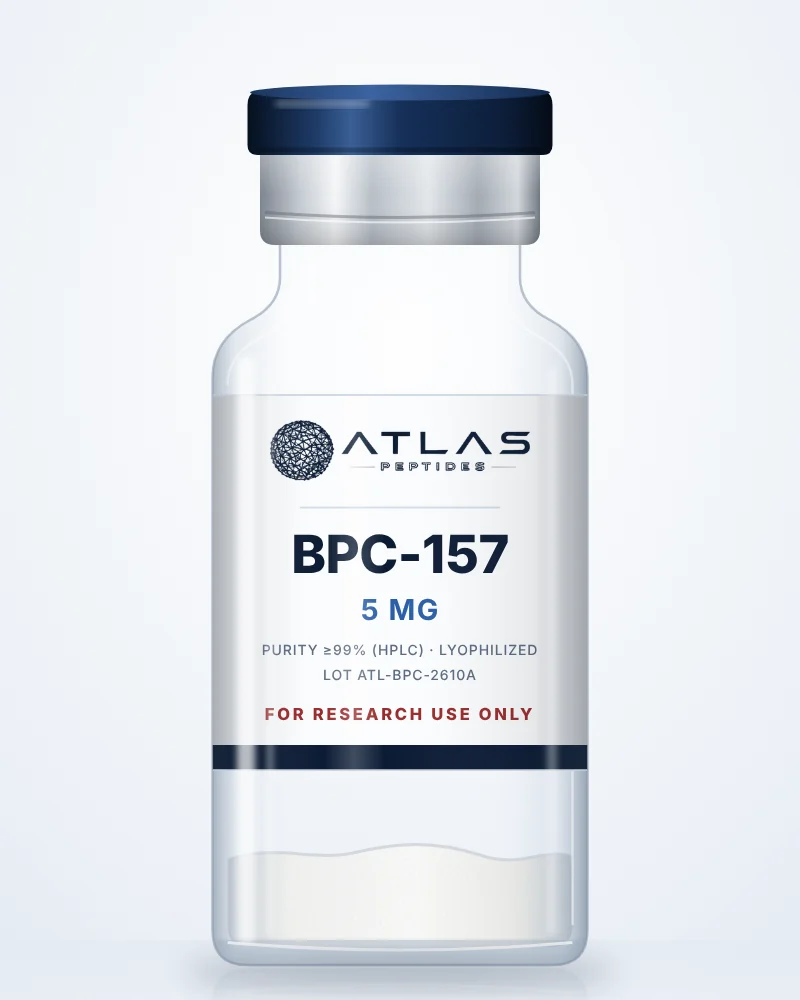
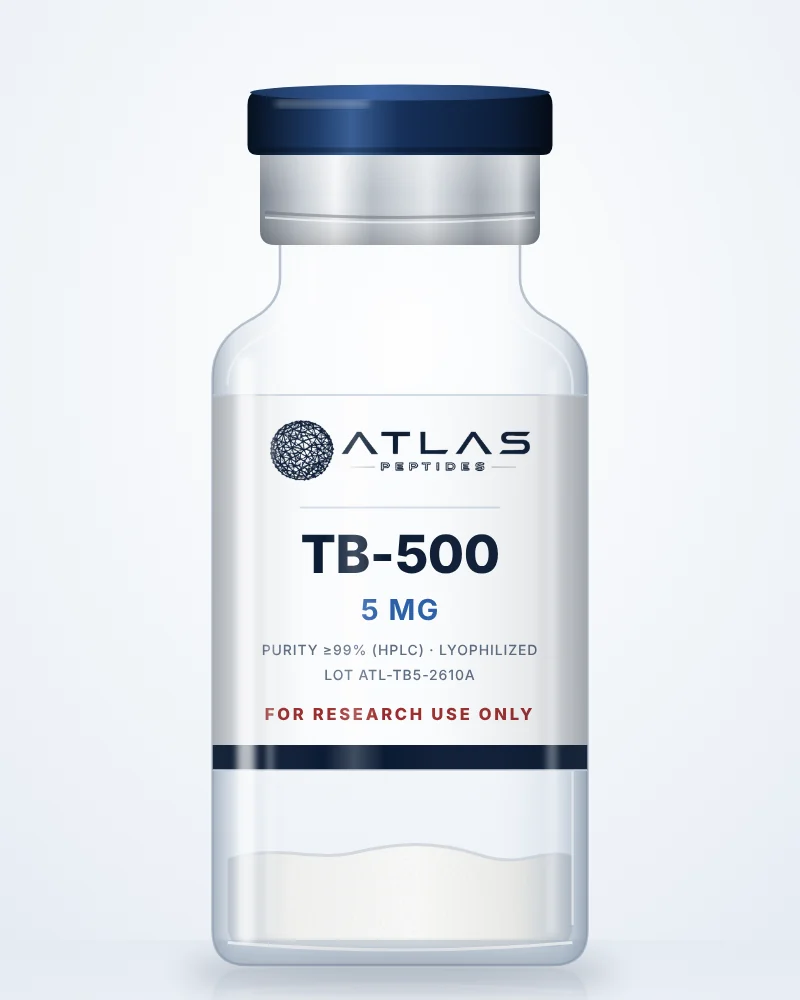
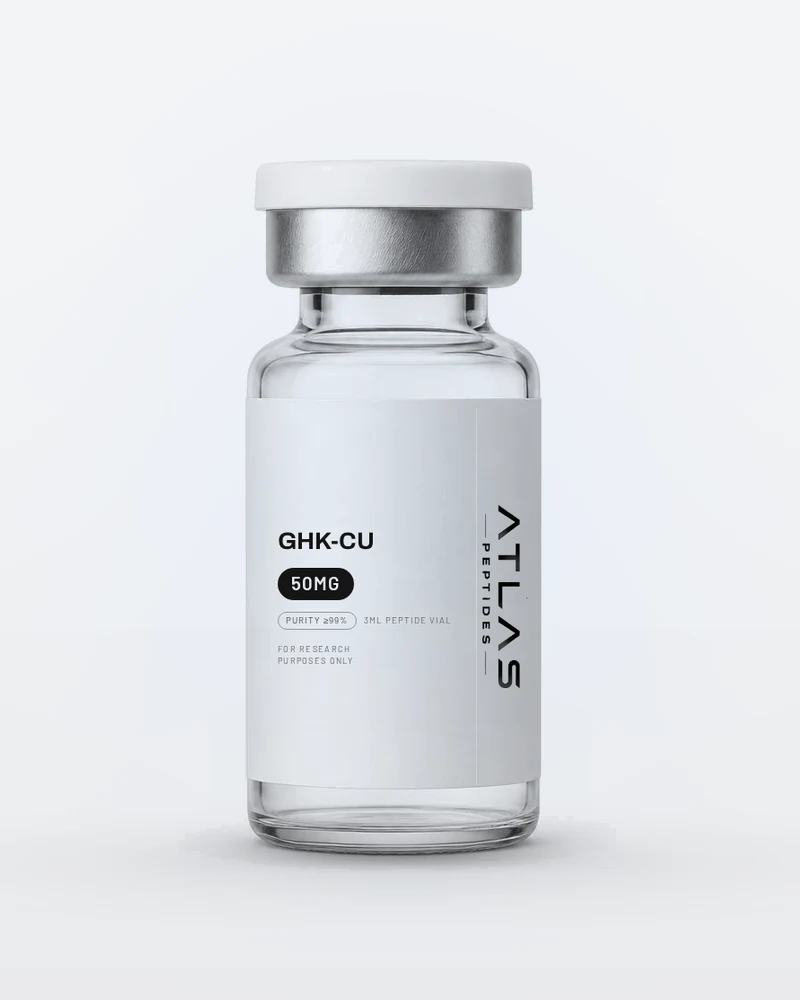
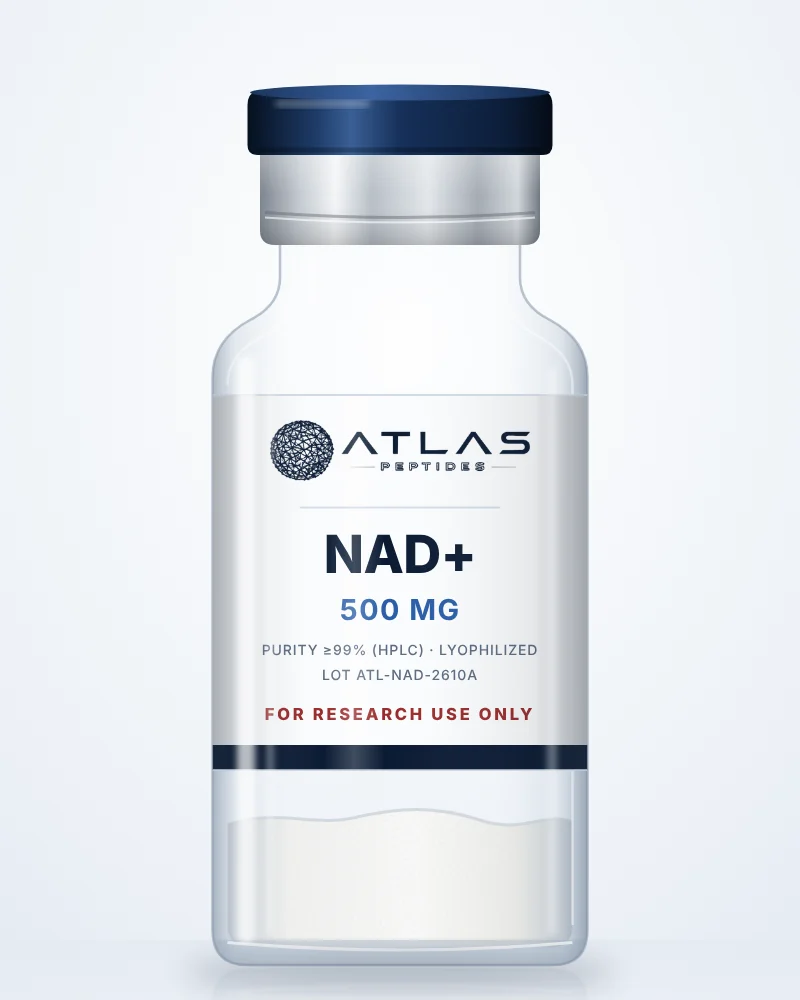
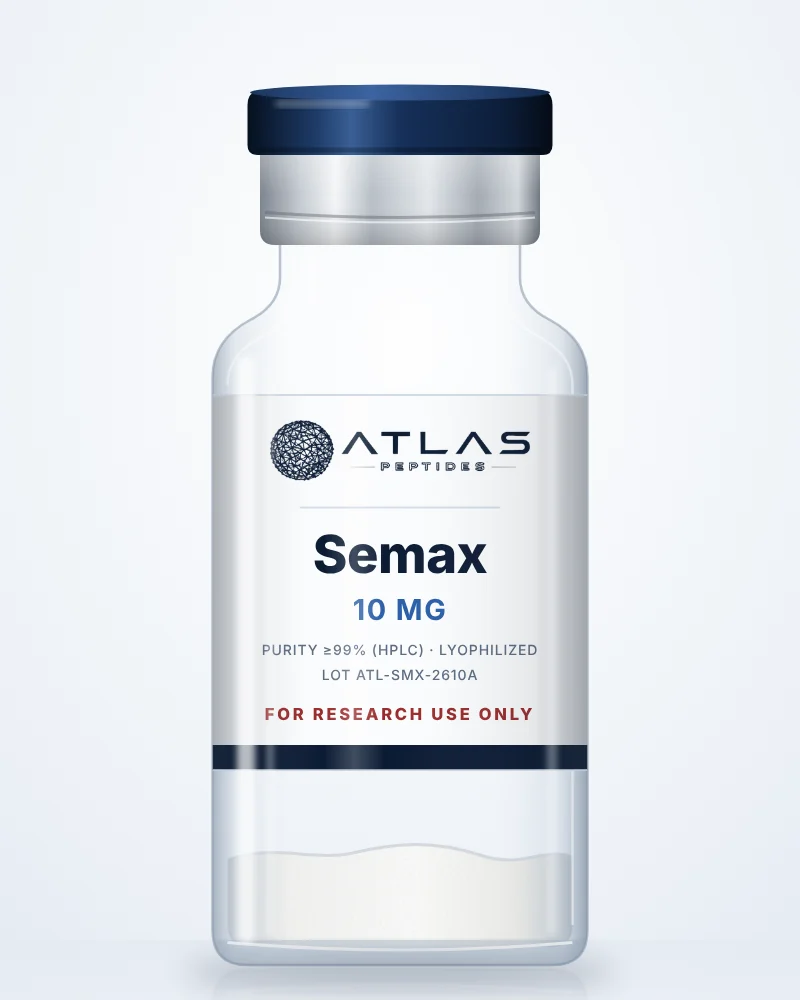
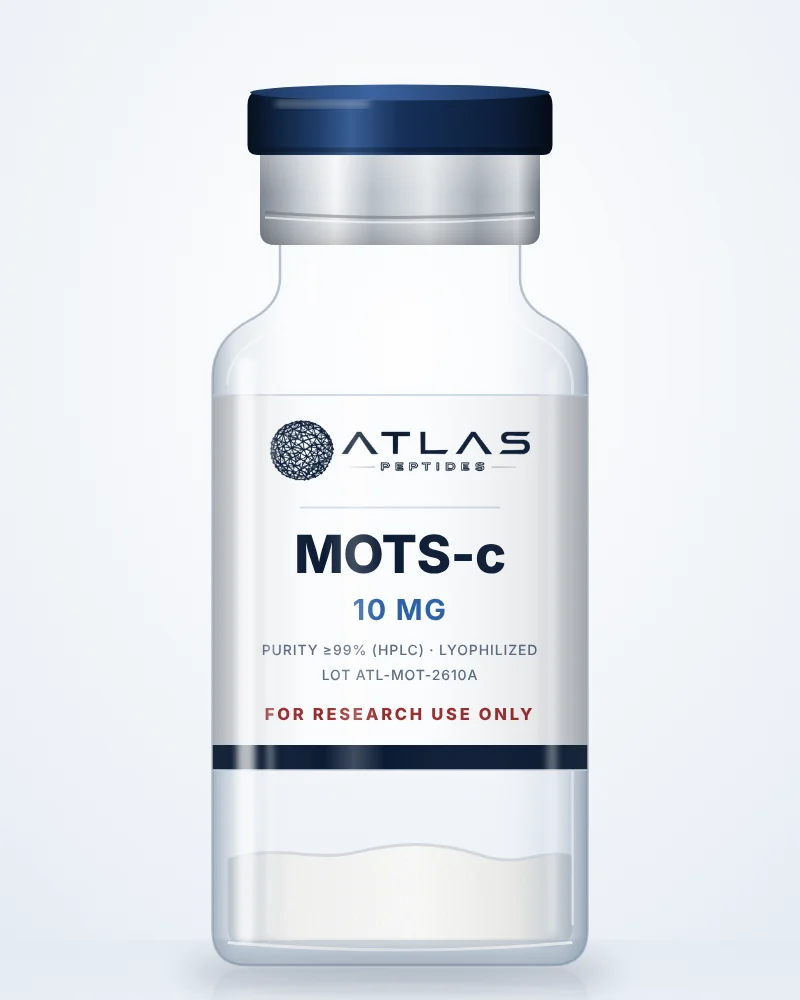
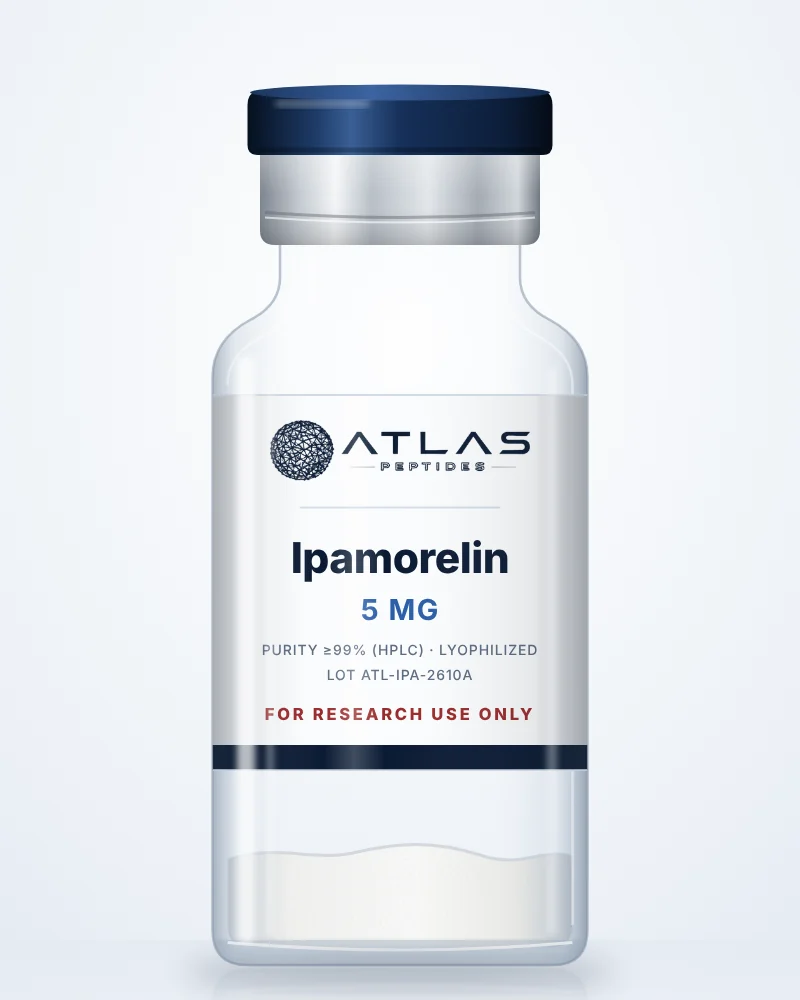
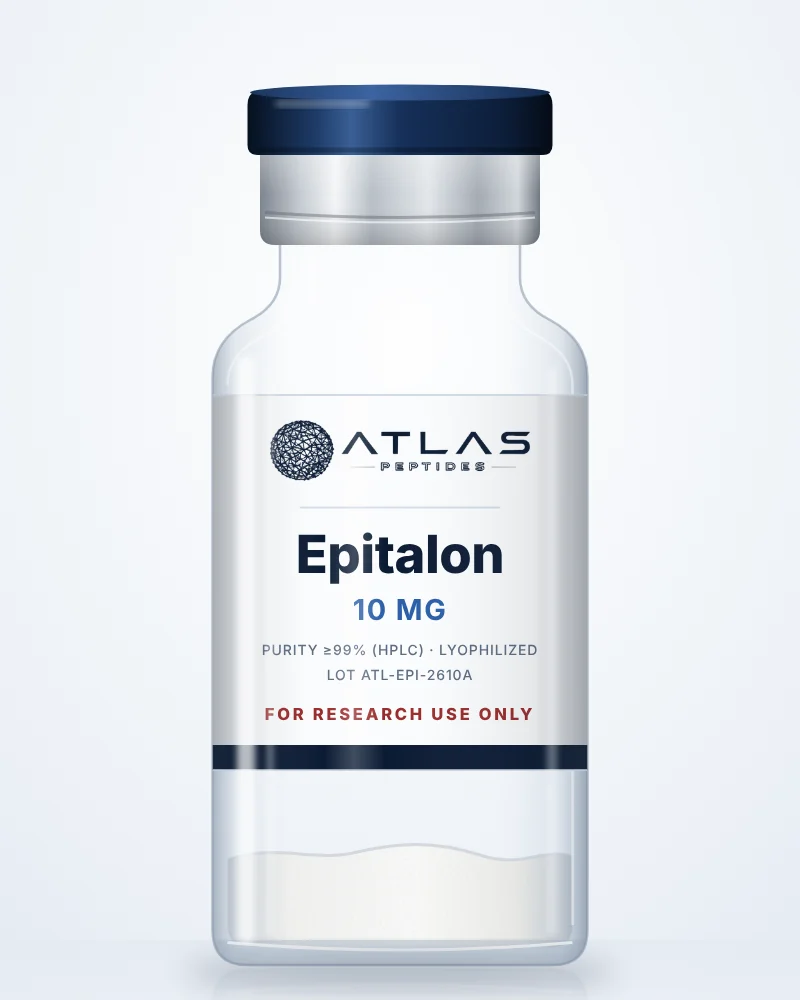
Labels on lyophilized peptides usually state gross weight: the mass of everything in the vial. For accurate laboratory work, the number that matters is net peptide content, the fraction of that mass that is the peptide itself.
Where the extra mass comes from
- Counterions. Peptides purified by HPLC typically leave as salts. Trifluoroacetate (TFA) or acetate counterions commonly account for roughly 5–30% of vial mass, depending on the number of basic residues in the sequence.
- Residual water. Lyophilized powders are hygroscopic. Karl Fischer titration commonly measures 1–10% water.
A worked example
Take a vial labeled 10 mg with 99% HPLC purity, 20% counterion content and 5% water. The peptide fraction is 10 mg × (1 − 0.20 − 0.05) × 0.99, or roughly 7.4 mg. The HPLC number was accurate; it simply measured something different.
How it is measured
Net content is determined by amino acid analysis, nitrogen analysis, or quantitative NMR, alongside ion chromatography for counterions and Karl Fischer titration for water. Few research suppliers publish these numbers, which is why it is worth asking.
What Atlas reports
Each lot record states whether the labeled quantity is gross or net, and where the independent lab measured counterion or water content, the COA includes it. See the current data in the COA library.
Keep reading
- How to Read a Peptide Certificate of Analysis
- Storing Lyophilized Peptides: Temperature, Light and Moisture
Research use only. For Research Use Only. Not for human or veterinary use. Not for diagnostic or therapeutic use. Not a drug, food, cosmetic or dietary supplement. Not for resale to consumers.