Quality education · 7 min read
How to Read a Peptide Certificate of Analysis
What HPLC purity, mass-spec identity and lot numbers on a peptide COA actually tell you, and the red flags that mean a report should not be trusted.
A Certificate of Analysis (COA) is the only document that connects the powder in a vial to measured data. Two COAs can both say "99% purity" and mean very different things. This guide walks through each field and what to check.
1. The lot number comes first
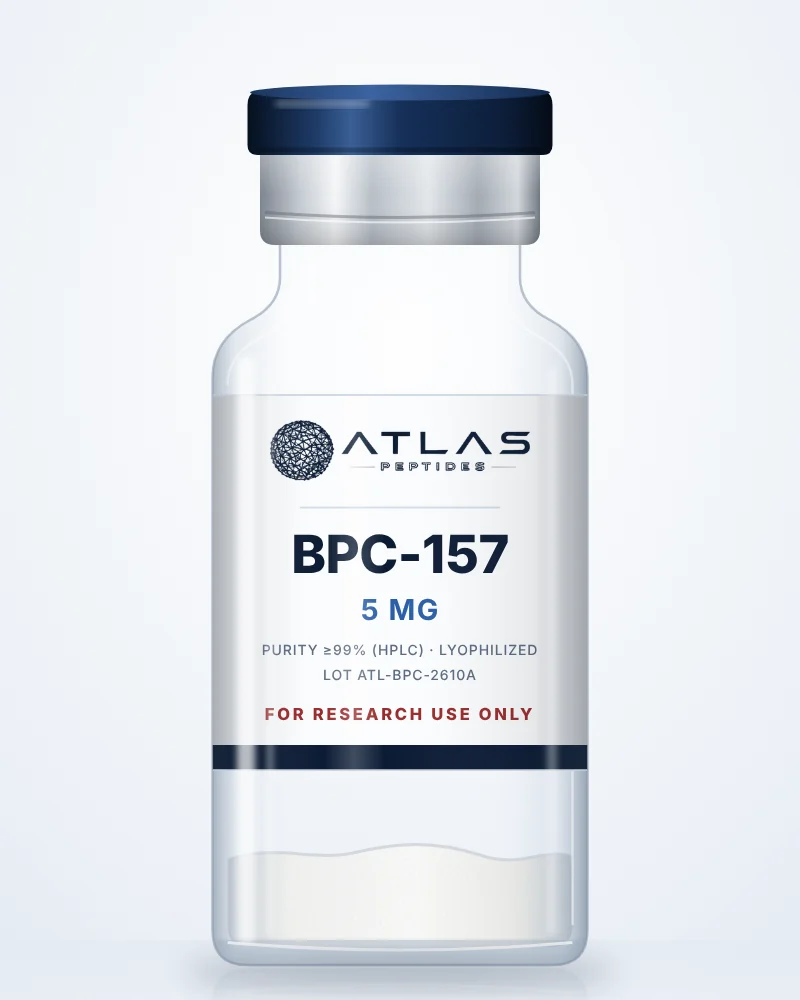
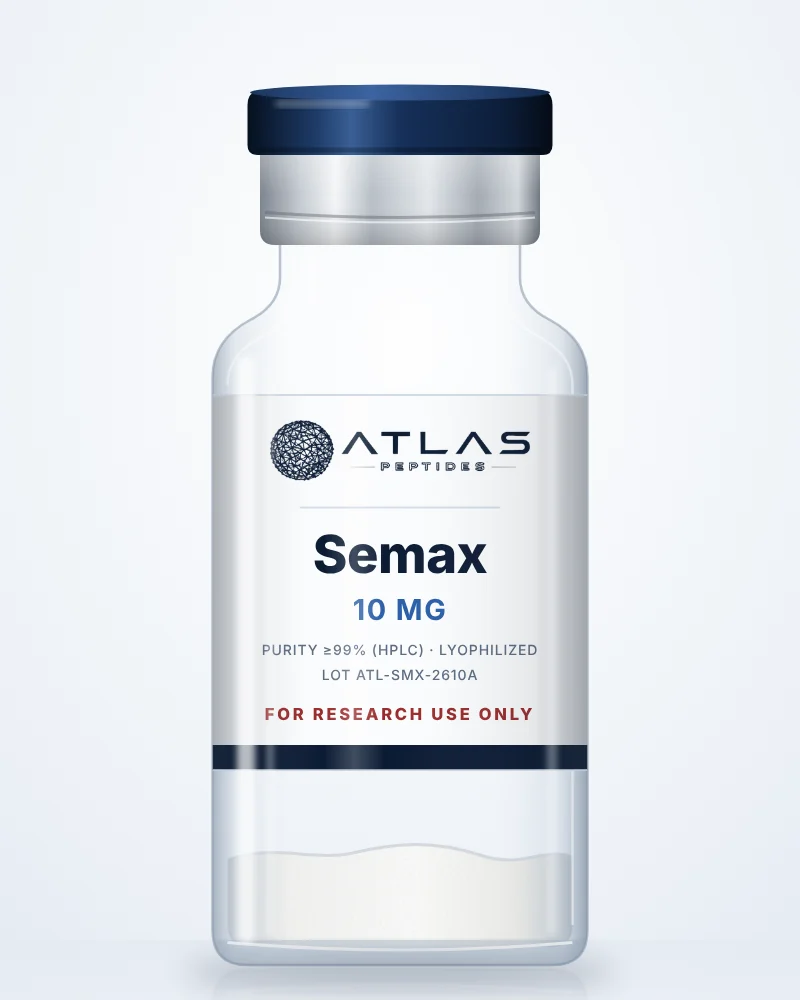
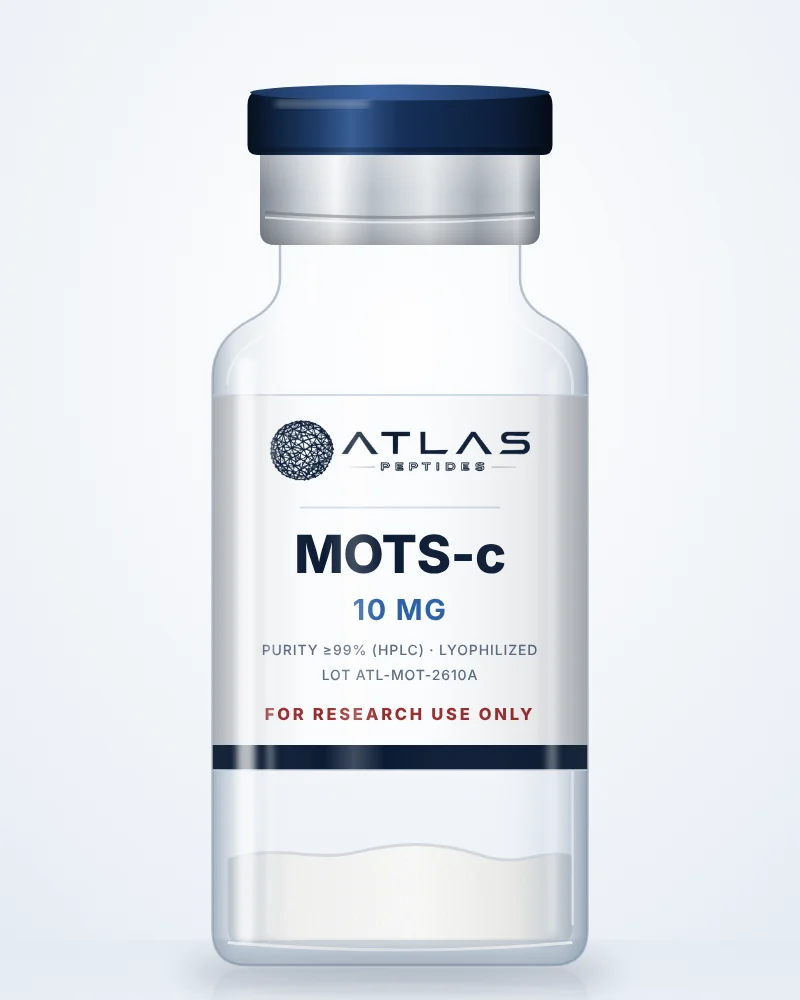
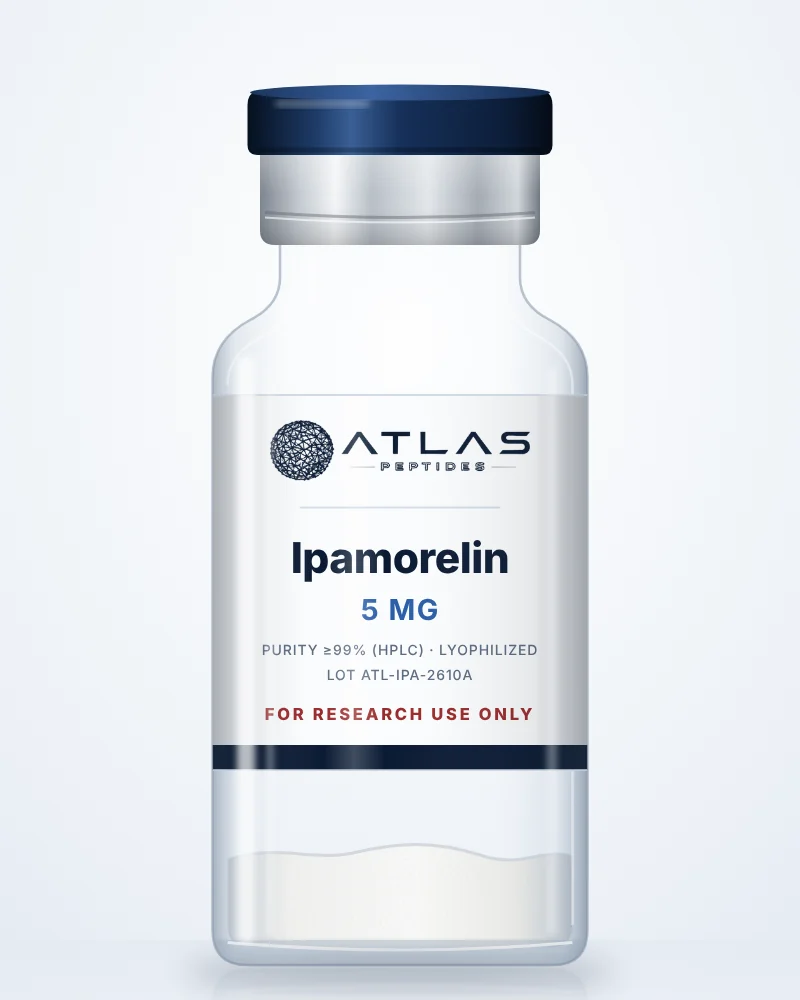
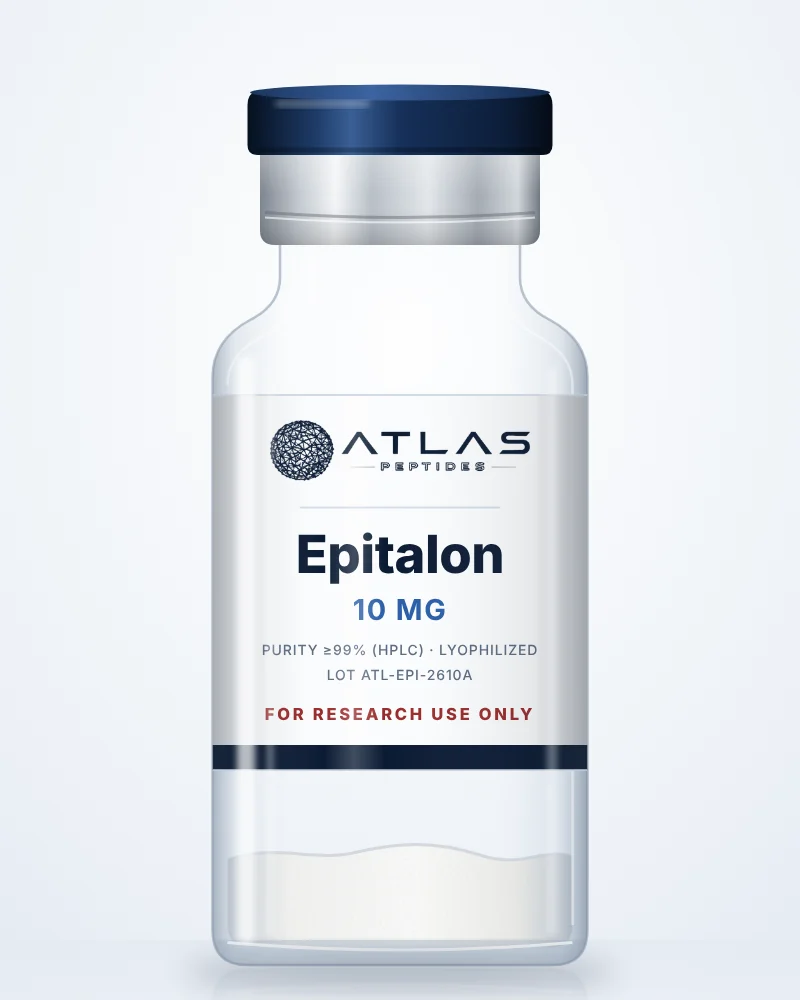
A useful COA is tied to one production lot. The lot number on the report should match the number printed on the vial and on the supplier's product page. If a supplier shows the same COA for every batch, or a report with no lot number at all, the document describes nothing in particular.
At Atlas, every vial label carries its lot number, and every lot has its own row in the COA library.
2. HPLC purity: look for the chromatogram
Reversed-phase high-performance liquid chromatography (RP-HPLC) separates the target peptide from synthesis by-products. Purity is reported as the area of the target peak divided by the total area of all peaks. A credible report shows:
- The chromatogram image itself, not just a percentage.
- The detector wavelength, typically 214 or 220 nm for peptide bonds.
- The method, for example "RP-HPLC, C18 column, 220 nm", rather than simply "HPLC".
Purity stated to absurd precision, such as 99.997%, is itself a warning sign. Instruments and integration methods do not support that resolution for routine peptide work.
3. Mass spectrometry: is it the right molecule?
HPLC tells you how pure a sample is. It does not tell you what the sample is. Mass spectrometry (usually ESI-MS or LC-MS) confirms identity by comparing the observed molecular mass with the theoretical mass of the expected sequence. For electrospray methods, observed and theoretical values should agree within about 0.1%.
A COA with purity data but no identity data cannot rule out a high-purity sample of the wrong compound.
4. Net peptide content
A lyophilized vial labeled 10 mg is rarely 10 mg of peptide. Counterions left over from purification (commonly TFA or acetate) and residual water add weight. We cover this in detail in net peptide content vs gross weight.
5. Who ran the test
An in-house supplier COA is a starting point. An independent lab report, ideally with a public verification record or QR code that resolves to the lab's own site, is what lets you check the document without trusting the seller's PDF.
Red flags at a glance
- Identical reports across different batches or dates.
- No analyst, laboratory name or test date.
- Test dates that precede the stated synthesis date.
- Purity with no chromatogram, or identity with no mass data.
- Placeholder fields, or values that are round numbers everywhere.
Check any Atlas lot against its report in the COA library, or enter the number from your label on the verify page.
Keep reading
- Net Peptide Content vs Gross Weight: What a "10 mg" Vial Contains
- Storing Lyophilized Peptides: Temperature, Light and Moisture
Research use only. For Research Use Only. Not for human or veterinary use. Not for diagnostic or therapeutic use. Not a drug, food, cosmetic or dietary supplement. Not for resale to consumers.